Get Home Generator Installation
Home generator installation services help property owners ensure reliable power during outages by connecting with local contractors who handle generator setup and wiring projects.
Home generator installation services provide a practical solution for property owners seeking reliable backup power. Whether planning for upcoming storms, frequent power outages, or simply aiming to enhance home preparedness, exploring local options can help identify the right solution for specific needs. Property owners in the area often consider this work to ensure continued comfort and safety during unexpected outages, making it a valuable part of comprehensive home planning.
By comparing local contractors who specialize in generator installation, property owners can find experienced service providers equipped to handle the project efficiently. Taking the time to evaluate different options allows for informed decisions that align with individual property requirements. Keep reading to learn more about the benefits of professional generator installation and how to connect with qualified local service providers.
- Home Generator Installation - needed when a household experiences frequent power outages or wants backup power.
- Whole-House Generator Setup - suitable for homeowners seeking reliable power for all appliances during outages.
- Backup Generator Installation - essential for families wanting to ensure critical systems stay operational during emergencies.
- Standby Generator Services - ideal for properties requiring automatic power restoration without manual intervention.
- Emergency Power System Installation - appropriate for locations that require uninterrupted power for essential functions.
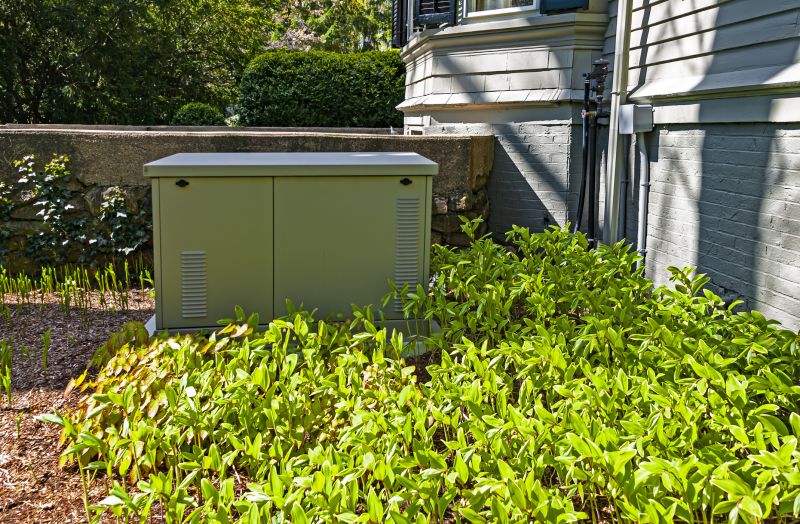
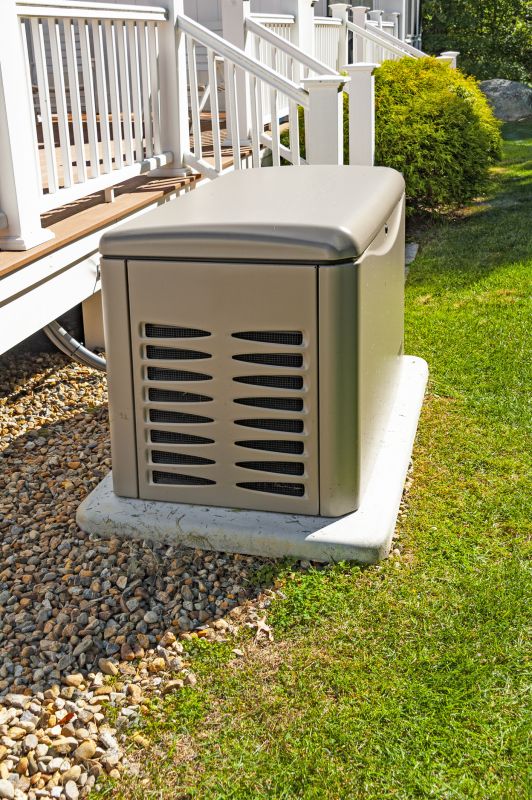
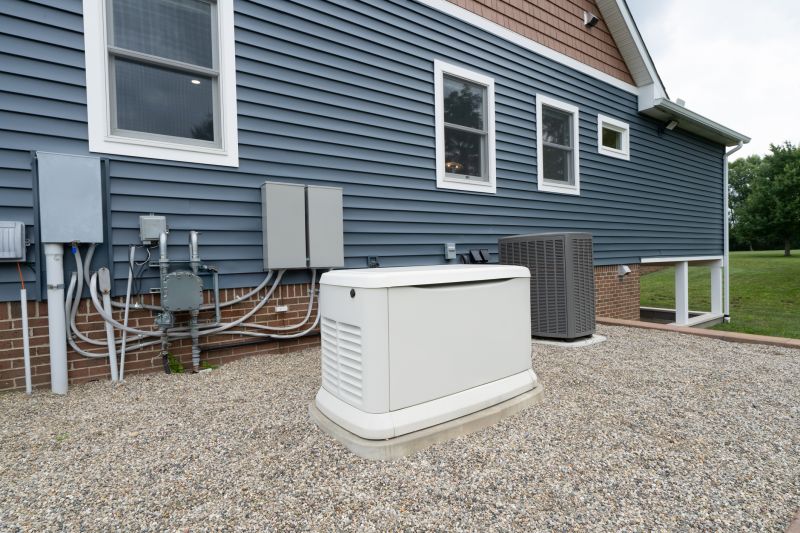
Home generator installation services involve setting up backup power systems that automatically activate during electrical outages. These systems typically include a generator unit, transfer switches, and necessary wiring to connect the generator to the property’s electrical system. Professional installers ensure that the generator is properly integrated, safe to operate, and compliant with local codes. This service helps homeowners achieve reliable power backup, so essential appliances and systems remain operational even when the main power grid goes down.
Installing a home generator can address a variety of common problems caused by power outages. Homes that experience frequent or extended outages due to storms, grid issues, or other disruptions often benefit from a generator system. It helps prevent the inconvenience of lost refrigeration, heating or cooling, and the inability to operate medical devices or work-from-home equipment. Additionally, a generator can provide peace of mind by ensuring that critical systems remain functional during emergencies, reducing the disruptions caused by unexpected power failures.
This service is suitable for a range of property types, including single-family homes, multi-family residences, and even some small commercial buildings. Homes in areas prone to severe weather or unreliable power supplies are often good candidates for generator installation. Larger properties with multiple stories or extensive electrical needs may require more powerful systems, while smaller dwellings can often accommodate compact, portable units. Regardless of the property size, local contractors can assess the specific electrical demands and recommend appropriate generator solutions.
Homeowners considering generator installation typically seek a dependable backup power source to safeguard their daily routines and property. This service is especially valuable for those with homes that contain sensitive medical equipment, home offices, or extensive electronic systems. By working with experienced local service providers, homeowners can find the right generator type and capacity to meet their needs. Proper installation ensures that when the power goes out, their home remains comfortable, functional, and secure.
The overview below groups typical Home Generator Installation projects into broad ranges so you can see how smaller, mid-sized, and larger jobs often compare in your area.
In many markets, a large share of routine jobs stays in the lower and middle ranges, while only a smaller percentage of projects moves into the highest bands when the work is more complex or site conditions are harder than average.
Smaller Repairs - Minor generator repairs or maintenance typically cost between $250 and $600. Many routine jobs fall within this range, though prices can vary based on the specific issue and local labor rates.
Basic Generator Installation - Installing a standard, residential home generator usually ranges from $3,000 to $7,000. Most projects of this type tend to land in the middle of this range, with fewer reaching higher costs for additional features or complex setups.
Full System Replacement - Replacing an existing generator with a new, larger unit can cost between $7,000 and $15,000. Larger, more complex installations or upgrades may push costs beyond this range, but typical replacements are often within this band.
Complex or Custom Projects - Custom or high-capacity generator systems for larger properties can exceed $15,000, with some advanced setups reaching $20,000 or more. These projects are less common and tend to fall into the higher end of the cost spectrum.
Actual totals will depend on details like access to the work area, the scope of the project, and the materials selected, so use these as general starting points rather than exact figures.
Electrical System Upgrades - Installing home generators often requires electrical system modifications, making electricians skilled in wiring and load management essential for these projects.
Backup Power System Installation - Similar skills are needed for setting up other backup power solutions, such as transfer switches and battery systems, which ensure reliable energy supply during outages.
Home Renovation Planning - Coordinating generator installations involves planning and site assessment skills comparable to those used in comprehensive home renovation projects.
HVAC System Installation - Installing heating, ventilation, and air conditioning systems shares planning, electrical work, and safety considerations with generator setup tasks.
Solar Power System Setup - Both projects require understanding of electrical integration, site assessment, and planning for efficient energy use within the home.
Electrical Panel Replacement - Upgrading or replacing electrical panels involves similar skills in electrical wiring, safety protocols, and system compatibility as home generator installations.
When comparing local contractors for home generator installation, it’s important to consider their experience with similar projects. Homeowners should look for service providers who have a proven track record of installing generators comparable in size and complexity to their own needs. A contractor’s familiarity with the specific requirements of residential generator systems can help ensure the installation process goes smoothly and that the system functions reliably once in place.
Clear written expectations are essential when evaluating potential service providers. Homeowners should seek out contractors who can provide detailed descriptions of the scope of work, including the steps involved, materials used, and any necessary preparations. Having a transparent understanding of what to expect helps prevent misunderstandings and ensures that both parties are aligned on the project’s objectives from the outset.
Reputable references and effective communication are key indicators of a dependable local contractor. Homeowners are encouraged to ask for references from previous clients who had similar installation projects. Additionally, good communication-such as prompt responses to inquiries and clarity in explanations-can make the process more straightforward and less stressful. It’s important to remember that this site introduces homeowners to local service providers who can handle the work, rather than performing the work itself, so taking the time to compare these factors can lead to a more satisfactory experience.
Property owners use Home Generator Installation services for practical projects around their homes and businesses. This guide focuses on everyday jobs and straightforward project options.
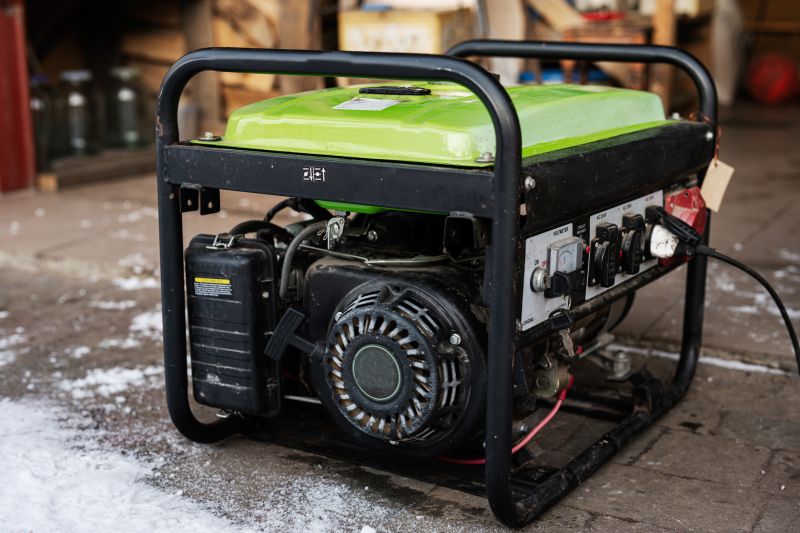
Homeowners in the area often seek professional home generator installation services to ensure their properties remain functional during power outages. Common situations include severe weather events or grid disruptions that leave homes without electricity for extended periods. Property owners may want to maintain essential appliances, heating or cooling systems, and security features, making reliable backup power a practical solution.
Additionally, many local residents consider generator installation to enhance their property's resilience and convenience. Whether preparing for unpredictable weather or aiming to avoid the inconvenience of power interruptions, they look for experienced local contractors who can handle the installation efficiently. Connecting with trusted service providers can help property owners find the right system to meet their specific needs and ensure continuous power when it matters most.
What are the benefits of installing a home generator? A home generator provides backup power during outages, helping to keep essential appliances and systems operational when the main power is unavailable.
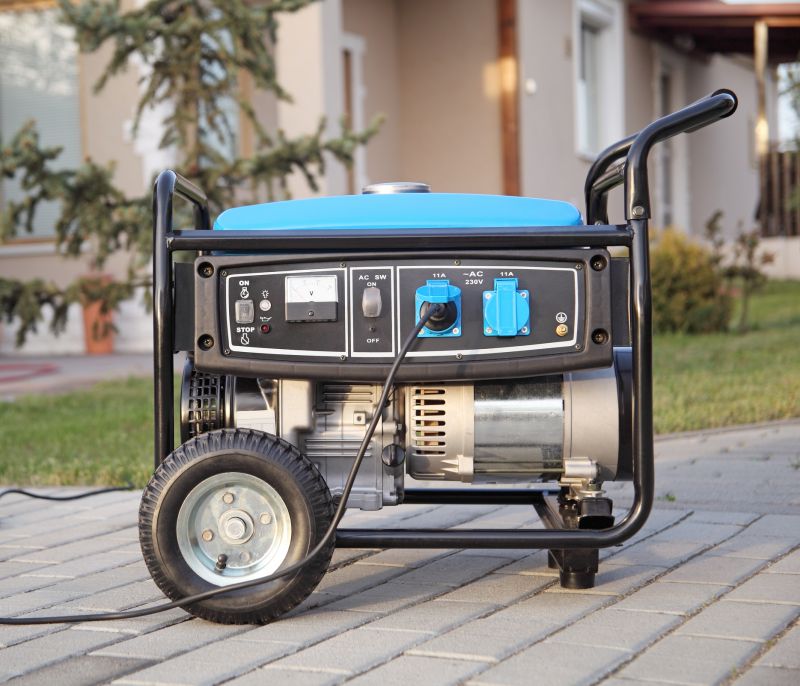
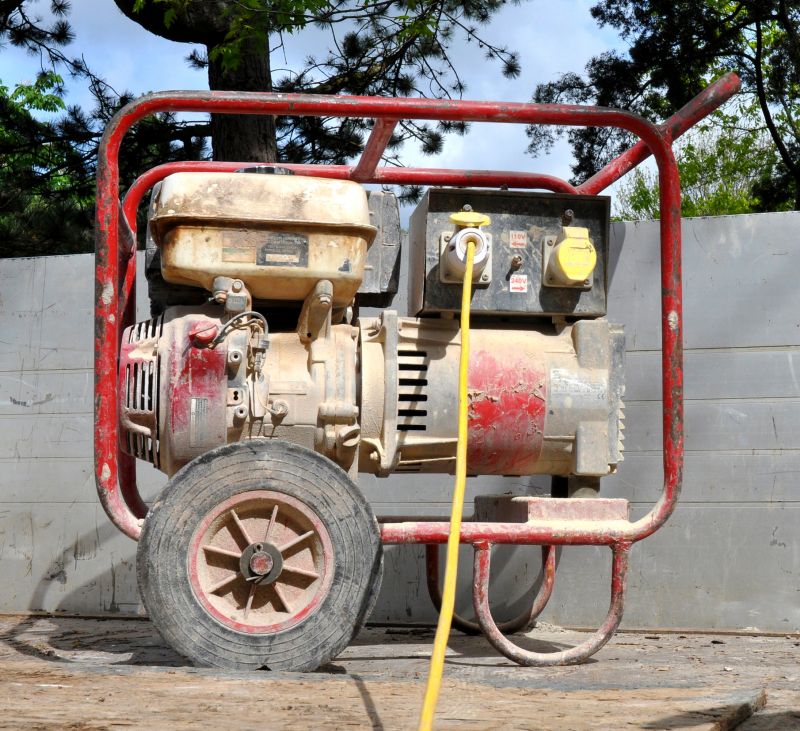
What types of home generators are available? There are various options including portable generators and standby generators, which are permanently installed to automatically activate during power interruptions.
How do local contractors determine the right generator size for a home? They assess your household’s power needs, including essential appliances and systems, to recommend a generator that can adequately support your home during outages.
What should be considered when choosing a location for generator installation? Factors include accessibility, ventilation, proximity to your home, and adherence to local building codes and safety guidelines.
Can a home generator be integrated with existing electrical systems? Yes, professional service providers can handle the integration to ensure the generator works seamlessly with your home’s electrical setup.
Backup Power for Essential Devices - A home generator can keep refrigerators, medical equipment, and communication devices running during power outages, ensuring safety and convenience.
Supporting Remote Work and Learning - Installing a generator helps maintain internet and computer use when the grid is down, making remote work or schooling possible.
Keeping Home Comforts During Outages - A generator provides electricity to heating or cooling systems, maintaining a comfortable living environment during unexpected outages.
Powering Outdoor and Security Systems - Generators can keep outdoor lighting, security cameras, and alarm systems operational even when the power is out.
If you are thinking about Home Generator Installation for a property, this guide is meant to help you understand the work, the typical project types, and how different options might fit your plans.
When you are ready, you can use the quote form on this page to share a few details about your project. From there, local pros can review the basics and respond with options that match what you have in mind.